
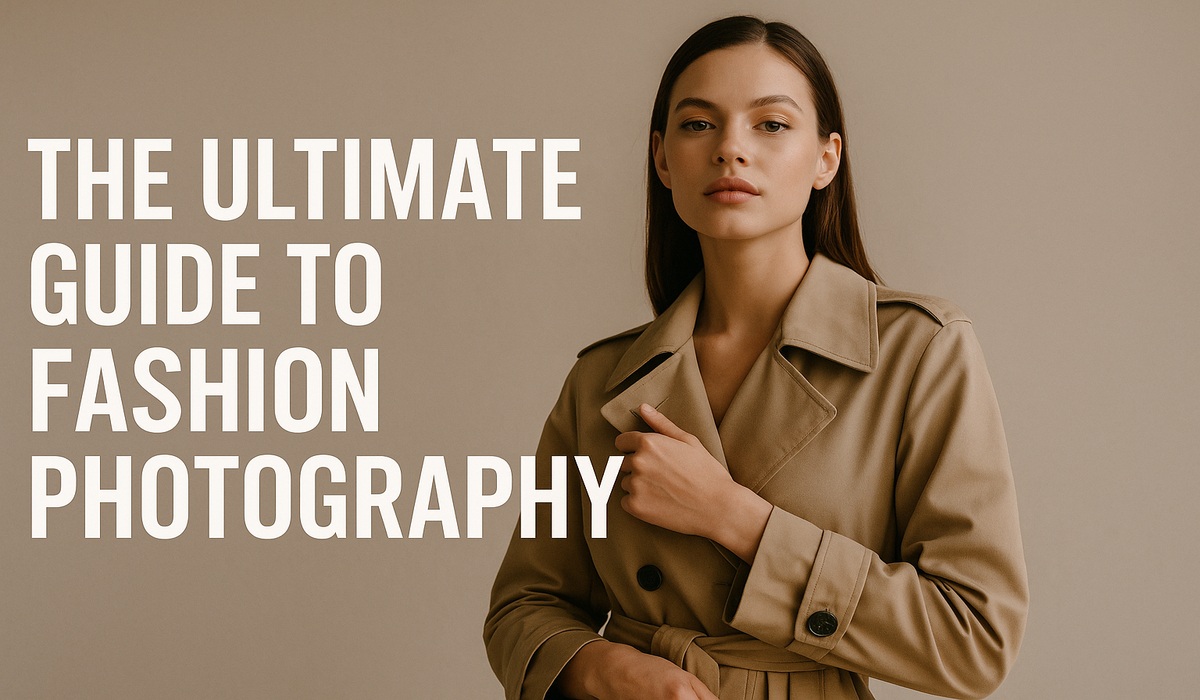
Fashion photography sits at the intersection of art, culture, and communication. It merges portrait, product, and fine art approaches to create images that do more than display clothing — they express identity, personality, and mood. Whether you’re capturing streetwear outdoors or building a polished studio editorial, fashion photography is ultimately storytelling. The clothing is the medium, but the narrative comes from your perspective.
1. Understand the Essence
Fashion photography is about point of view. There is no single “correct” approach — only the message you want to convey. From street style candid shots to conceptual campaign work, what ties everything together is intention. You are not just documenting clothing — you’re creating emotion.
2. Research and Analyze Visual Inspiration
Before shooting, immerse yourself in strong visual references. Study how others use light, pose, composition, styling, and environment.
Look at:
- Editorial magazines and runway campaigns
- Lookbooks, street style blogs, and studio work
- Pinterest boards, Instagram, and galleries
- Photography books and visual culture archives
Ask:
- What feeling does the image create?
- How is color working?
- How does posture shape mood?
This visual research helps you develop your own taste.
3. Create a Mood Board and Shot List
Planning strengthens your results. A mood board keeps your concept consistent, while a shot list helps you stay focused on what you need.
Mood Board Should Include:
- Lighting references (soft, dramatic, diffused)
- Color palette
- Styling and accessories
- Pose and expression styles
- Environment ideas
Shot List Should Include:
- Full body
- Mid-length portrait
- Hands or accessory close-ups
- Movement-based shot
- One candid moment
Choose three adjectives that express the tone of the shoot — for example:
romantic · modern · structured or soft · urban · cinematic
4. Styling Matters
Styling directly influences the success of the final image. Even with perfect lighting and composition, poorly styled clothing will distract the viewer.
Focus on:
- Fit (clip or pin clothing when needed)
- Texture (materials reflect light differently)
- Layering and silhouette (structure creates shape)
- Color harmony between subject and background
Well-considered styling creates visual clarity and narrative.
5. Choosing the Right Location
Your environment should support your story.
| Location Type | When to Use | Strength |
| Studio | Clean, minimal concepts | Full control over light and background |
| Street | Energetic, expressive, everyday looks | Movement, texture, realism |
| Lifestyle spaces | Human connection, warmth, relatability | Storytelling depth |
Look for backgrounds with texture, framing, and simplicity so the subject remains central.
6. Working With Models
Connection always comes before posing. Spend a moment talking before shooting. Share your references. Play music to shape mood.
Use prompts instead of rigid instructions:
- Walk slowly and let your hands move naturally
- Adjust a sleeve or collar
- Look away and breathe out
- Shift your weight like you are dancing
Strong images feel natural, not forced.
7. Light Shapes Emotion
Light determines the mood more than any other element.
Indoor Tips:
- Use soft window light or a softbox for flattering shadows
- A reflector or V-flat helps even out light
Outdoor Tips:
- Golden hour produces warm, soft highlights
- Overcast days provide smooth, even tones
- Avoid harsh midday sunlight unless you want sharp, dramatic contrast
Small lighting adjustments can transform the entire image.
8. Camera Settings
Start with these useful baselines:
| Scenario | Aperture | Shutter Speed | ISO | Notes |
| Studio | f/7.1–f/8 | 1/160 | 160–200 | Keeps clothing and details sharp |
| Street Style | f/2.8–f/5.6 | 1/250+ | 100–400 | Maintains clarity with movement |
| Lifestyle Portraits | f/2–f/3.2 | 1/160+ | 100–800 | Soft and intimate feel |
Always take a few test frames before bringing in your model.
9. Review and Adjust While Shooting
Pause occasionally to review images. Check:
- Hair placement
- Clothing symmetry and wrinkles
- Hand and chin angles
- Lighting strength and direction
Fixing during shooting is easier than fixing during editing.
10. Edit With Intention
Selection is part of the art. Not every image belongs in the final set.
Workflow:
- Select and tone images in Lightroom
- Retouch details in Photoshop (keep skin texture natural)
- Maintain consistent color palette and atmosphere
The goal is to enhance, not transform.
11. Practice Challenge: The Fabric Story
This exercise builds styling awareness, shape control, and visual storytelling.
Your Task:
- Choose a single piece of solid-colored fabric.
- Style it in three ways on your model (or yourself).
- Capture:
- A full-body shot (silhouette and posture)
- A detail close-up (texture and folds)
- A movement shot (fabric in motion)
- A full-body shot (silhouette and posture)
This strengthens your eye for texture, shape, and emotional expression.
Conclusion
Fashion photography is about observation, direction, and the ability to tell a visual story. Start small, experiment often, refine your taste, and let your perspective lead. Skill develops through practice — clarity through experimentation — and style through time and repetition.For more insight about top wedding photographer visit : https://thefashionfest.com/top-10-best-wedding-photographers-in-the-usa-2025-edition/